
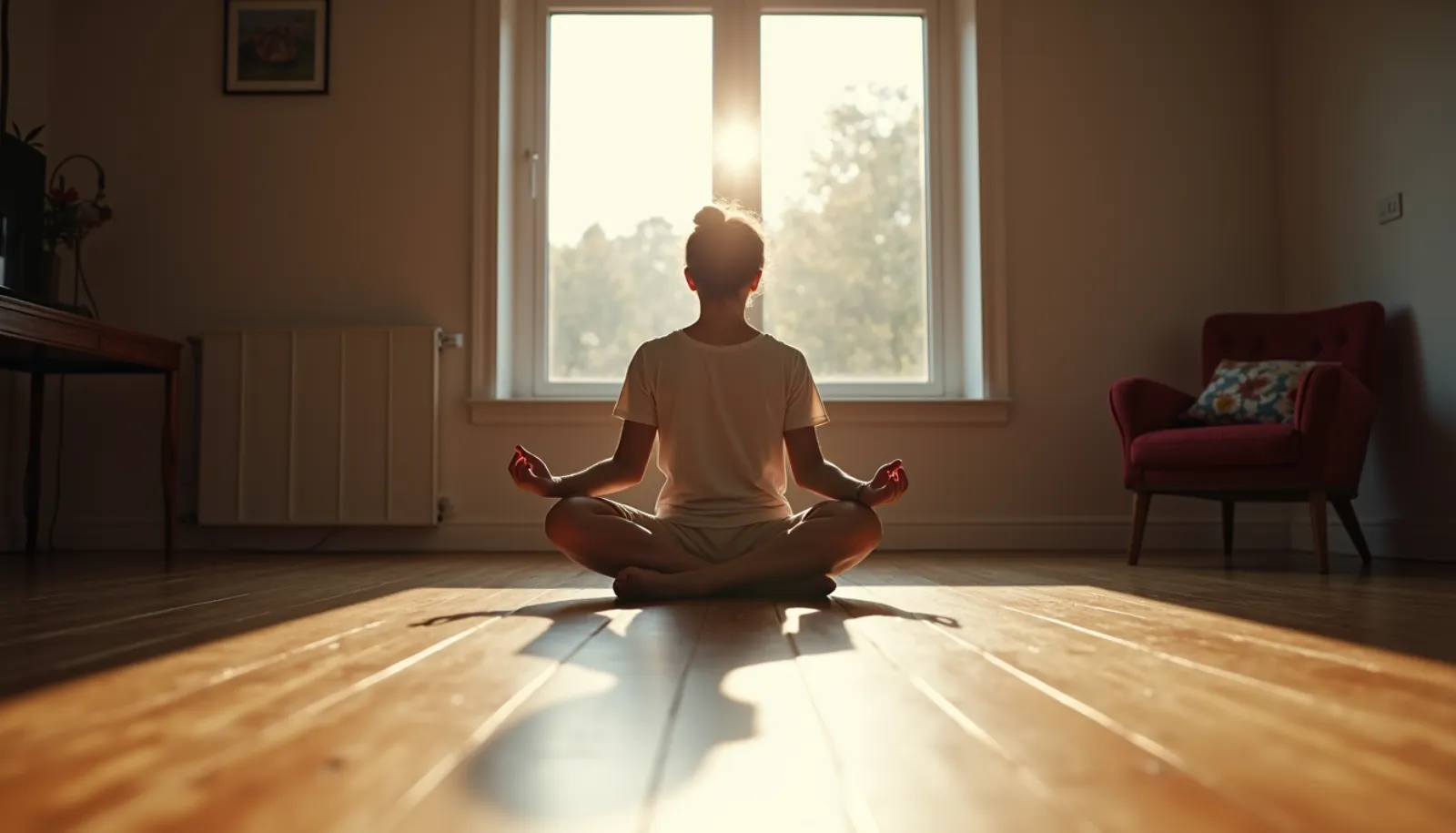
Mindfulness Practices for Stress Reduction
Stress is a normal part of life. Deadlines, family responsibilities, health concerns and financial pressure all place demands on us. In small doses, stress can help us focus and act. When it builds up without relief, it can affect sleep, mood, concentration and physical health.
Mindfulness offers practical tools for handling stress as it happens. It does not remove the sources of stress, but it can change how we respond to them.
How Stress Shows Up
Stress is the body’s response to a perceived challenge or threat. The heart beats faster, breathing becomes shallow and muscles tighten. This response is useful for short bursts. The difficulty starts when it stays switched on for long periods.
Common signs of ongoing stress include:
- Tension in the shoulders, neck or jaw
- Trouble falling asleep or staying asleep
- Irritability or feeling on edge
- Difficulty concentrating or making decisions
- A sense of being constantly rushed
Noticing these signs early is the first step. Mindfulness helps by building the habit of checking in with your body and mind before stress builds too far.
What Mindfulness Offers
Mindfulness is the practice of paying attention to the present moment with openness and without judgment. Under stress, the mind tends to jump ahead to worst-case scenarios or replay past events. Mindfulness brings attention back to what is happening now: your breath, your body and your surroundings.
This creates a small space between the trigger and your reaction. In that space, you can choose how to respond instead of reacting on autopilot.
Breathing Practices
The breath is always available, and changing how you breathe is one of the quickest ways to shift your state.
Slow Exhale Breathing
- Sit or stand comfortably and relax your shoulders
- Breathe in gently through your nose for a count of four
- Breathe out slowly through your mouth for a count of six
- Repeat for a few minutes, keeping the breath soft and unforced
A longer exhale can help the body settle. If counting feels stressful, simply aim for an out-breath that is a little longer than the in-breath.
Box Breathing
- Breathe in for a count of four
- Hold gently for a count of four
- Breathe out for a count of four
- Hold for a count of four
- Repeat several rounds
If you feel lightheaded or uncomfortable at any point, return to your normal breathing.
The Body Scan
A body scan helps you notice and release tension you may not realize you are holding.
- Lie down or sit comfortably and close your eyes if that feels right
- Bring your attention to your feet. Notice any sensations: warmth, pressure, tingling or nothing at all
- Slowly move your attention up through your legs, hips, back, stomach and chest
- Continue to your hands, arms, shoulders, neck and face
- Where you notice tension, breathe toward that area and let it soften if it can
- Finish by noticing your whole body at once, then take a few deeper breaths
There is no right way to feel during a body scan. The aim is to notice, not to change anything by force.
Short Pauses During the Day
You don’t need a long session to benefit from mindfulness. Brief pauses spread through the day can prevent stress from accumulating.
The STOP Practice
- Stop what you are doing for a moment
- Take a slow breath
- Observe what is happening in your body, thoughts and emotions
- Proceed with a clearer sense of what you need
The Three-Breath Reset
Before a phone call, a difficult conversation or a new task, take three slow, deliberate breaths. Feel your feet on the floor. Then continue.
Mindfulness at Work
The workplace is a common source of stress, and small practices can make a noticeable difference.
- Before meetings: Take a minute to breathe and set an intention for how you want to show up
- Single-tasking: Work on one thing at a time and close what you don’t need
- Mindful email: Read a message fully, pause, and respond rather than react
- Movement breaks: Stand up, stretch or take a short walk between tasks
- Lunch away from the screen: Eat with attention to taste and texture
For Managers and HR Teams
Individual practice works best in a supportive environment. Organizations can help by protecting break times, keeping meetings focused, offering access to guided sessions and making it acceptable to step away briefly when needed. Data-driven ecosystems that connect verified practitioners, employees and organizations can help teams find qualified support suited to their needs.
Mindfulness at Home
Home can be restful, but it brings its own pressures. Mindfulness can be woven into daily routines.
- Mindful meals: Eat at least one meal a day without screens
- Everyday chores: Treat washing dishes or folding laundry as a chance to focus on the senses
- Evening wind-down: Set aside time before bed for a body scan or slow breathing
- Family moments: Give full attention to conversations with partners and children
Making It Stick
Consistency matters more than duration. Choose one or two practices and use them daily for a few weeks before adding more. Link them to existing habits, such as your morning coffee or the end of the workday. Be patient with yourself. Wandering attention is normal, and gently returning to the present is the practice itself.
When to Seek Professional Help
Mindfulness is a helpful tool for everyday stress, but it is not a replacement for professional care. Speak with a doctor, psychologist or other qualified health professional if you experience:
- Stress or anxiety that persists for weeks and affects daily life
- Ongoing sleep problems
- Panic attacks or intense physical symptoms
- Low mood, loss of interest or hopelessness
- Increased use of alcohol or other substances to cope
If you have thoughts of harming yourself, contact emergency services or a crisis line right away.
Some people find that certain practices, such as focusing closely on the breath or body, bring up difficult feelings. If that happens, adapt the practice, open your eyes, or stop and talk to a professional.
Conclusion
Stress is part of life, but it doesn’t have to take over. Breathing exercises, body scans and short pauses give you practical ways to respond with more calm and clarity, at work and at home. Start small, practice regularly and reach out for professional support when stress becomes more than you can manage alone.
About the Author
AlternaBe Group is a writer and expert in health and technology.
Related Articles

Maximizing ROI with Employee Wellness Program Benefits
A practical guide for HR teams on designing an employee wellness program around clear goals, setting a baseline, and measuring returns in a way leadership can trust.

Mindfulness Practices in the Digital Age: Embracing Digital Mindfulness Practices
Practical ways to live with technology more mindfully, from managing notifications and protecting attention to setting clear boundaries and using digital tools to support a steady practice.

Future Online Wellness Trends: What to Expect in 2026
The directions shaping how wellness is delivered online in 2026, and what organizations, municipalities and investors should watch when evaluating digital wellbeing programs.